

For any E-commerce business in India, there’s a silent killer lurking in the shadows, quietly eating away at your profits: product returns.
High return rates, especially Return to Origin (RTO), are more than just a logistical headache. They represent lost sales, doubled shipping costs, increased operational workload, and potential damage to your inventory. For a startup or a struggling enterprise, this financial drain can be crippling.
The Indian market, with its high preference for Cash on Delivery (COD), presents a unique set of challenges. But don’t worry. By being strategic and proactive, you can significantly cut down on returns, protect your bottom line, and build a more sustainable business.
Here are seven proven strategies to do just that.
1. Your Product Page is Your #1 Salesperson

The most common reason for a return is a mismatch between what a customer thought they were buying and what they actually received. Your product page’s only job is to bridge that gap with absolute clarity
📸 Invest in High-Quality Visuals: Go beyond a single, static image. Provide multiple high-resolution photos from different angles. Show the product in a real-world context. For clothing, use models with different body types and clearly state their height and the size they are wearing. A short video demonstrating the product can boost conversion and reduce uncertainty.
✍️ Write Hyper-Detailed Descriptions: Don’t just list specs; sell the experience. Explain the material’s feel, the product’s use case, and its exact dimensions (in cm and inches). The more questions you can answer in your description, the fewer doubts a customer will have.
📏 Create an Unbeatable Sizing Guide: For fashion brands, this is non-negotiable. Develop a detailed, brand-specific size chart. Include a “How to Measure Yourself” guide with illustrations. Integrating a size recommendation tool can be a game-changer
2. Tame the COD Beast with Pre-Shipment Confirmation
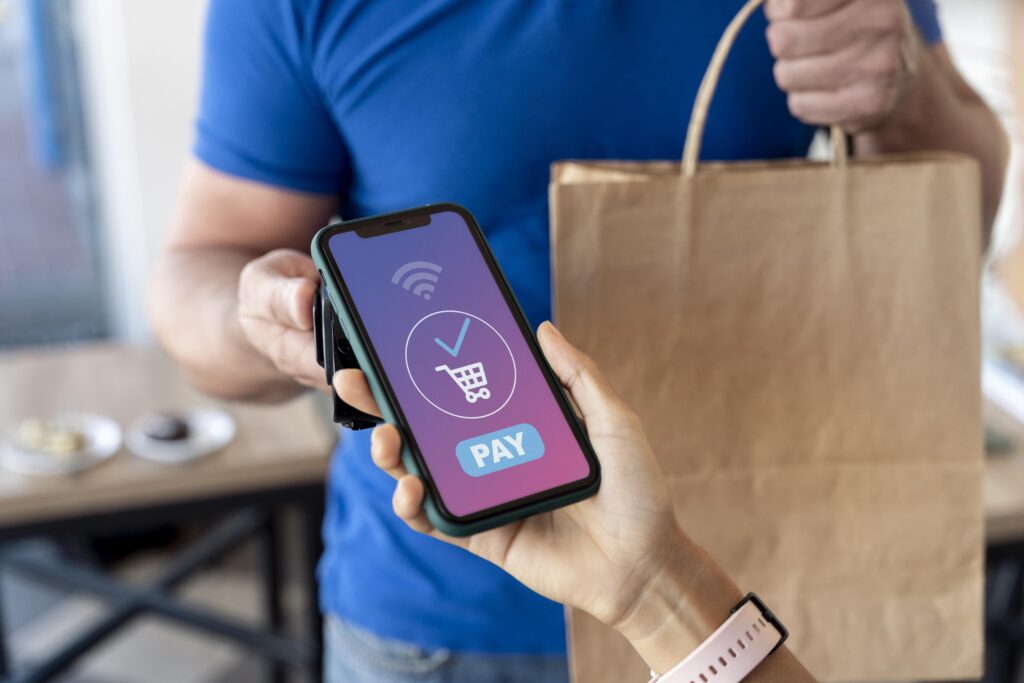
Cash on Delivery is a necessary evil in the Indian E-commerce landscape. It drives sales but is also the biggest contributor to impulse buys and fraudulent orders, leading to high RTO rates. It’s time to tame the beast.
- Automate Confirmation: Use an automated IVR call or a WhatsApp message after an order is placed. A simple “Press 1 to confirm your order of ₹XXXX” can filter out a significant number of non-serious buyers before you even ship.
- Call High-Value Orders: For any order above a certain threshold (e.g., ₹2,000), a quick manual confirmation call adds a personal touch and acts as a final verification step
By confirming COD orders before shipping, you are essentially stopping a guaranteed RTO in its tracks. This simple step can save you thousands in wasted shipping fees.
3. Fortify Your Warehouse and Packing Process

An error in your fulfillment process is a self-inflicted wound. Sending the wrong size, color, or a damaged item guarantees a return and a dissatisfied customer.
- Implement a “Scan-and-Pack” System: Even a simple barcode system can virtually eliminate human error. By scanning the item’s barcode and the order slip, you ensure a perfect match every time.
- Double-Check Everything: Before the final seal, have a mandatory Quality Check (QC) step. The packer should verify the physical product against the order details one last time.
- Package for War: Your package will be thrown, stacked, and jostled. Use sturdy boxes, adequate cushioning (like bubble wrap or crinkle paper), and strong tape. A product damaged in transit is an immediate loss.
4. Choose Your Courier Partner Wisely

Your delivery partner is the final and most crucial link in the customer’s journey. Their performance is your performance.
- Analyze Pincode Performance: Don’t just pick the cheapest courier. Use a logistics aggregator platform (like Shiprocket or similar) that provides data on courier performance by pincode. Assign couriers who have the best delivery success rate for a specific delivery area.
- Proactively Manage NDR: Actively monitor your Non-Delivery Report (NDR) panel daily. When a courier fails a delivery attempt, your team should immediately contact the customer to verify the address or find a suitable time. Saving an order from NDR is saving a sale.
5. Craft a Smart and Fair Return Policy

Your return policy shouldn’t be a weapon against your customers, but it also shouldn’t be a loophole that drains your finances.
- Offer Store Credit as a Win-Win: When a customer wants to return an item for a preference-based reason (“don’t like it”), offer them a choice: a full refund or a slightly larger amount (e.g., 105% of the value) as store credit. This keeps the revenue in your business.
- Charge a Nominal Fee for Reverse Logistics: For non-defective returns, it’s fair to charge a small, fixed fee for the reverse pickup. This discourages frivolous returns. Always waive this fee if the fault was yours (e.g., wrong or defective item).
6. Become a Detective: Analyze Your Return Data

Your return data tells a story. Are you listening?
- Identify Problem Products: Is one specific SKU being returned far more than others? There’s a reason. Dig deep—is it the sizing, the material, or a misleading photo? It might be time to improve the product page or even delist the item.
- Segment by Return Reason: If “Defective Item” is a common reason, you have a problem with your supplier or your warehouse QC. If “Wrong Size Ordered” is the culprit, your size chart needs an immediate overhaul.
This data is your roadmap to improvement.
7. Master Post-Purchase Communication

The conversation shouldn’t end after the customer clicks “Buy Now.” Keeping them informed reduces buyer’s remorse and builds trust.
- Automate Everything: Use SMS, Email, and WhatsApp to send proactive updates at every stage:
- Order Confirmed
- Order Shipped (with Tracking Link)
- Out for Delivery
- Delivered
- Follow Up: A week after delivery, send an automated email asking for a product review. This makes the customer feel valued and gives you one last chance to fix any potential issues before they escalate into a return request.
Reducing E-commerce returns isn’t about a single magic fix. It’s about systematically optimizing every step of your customer’s journey—from their first click on your site to the moment they unbox their order. By implementing these seven strategies, you can turn a major business loss into a competitive advantage.