
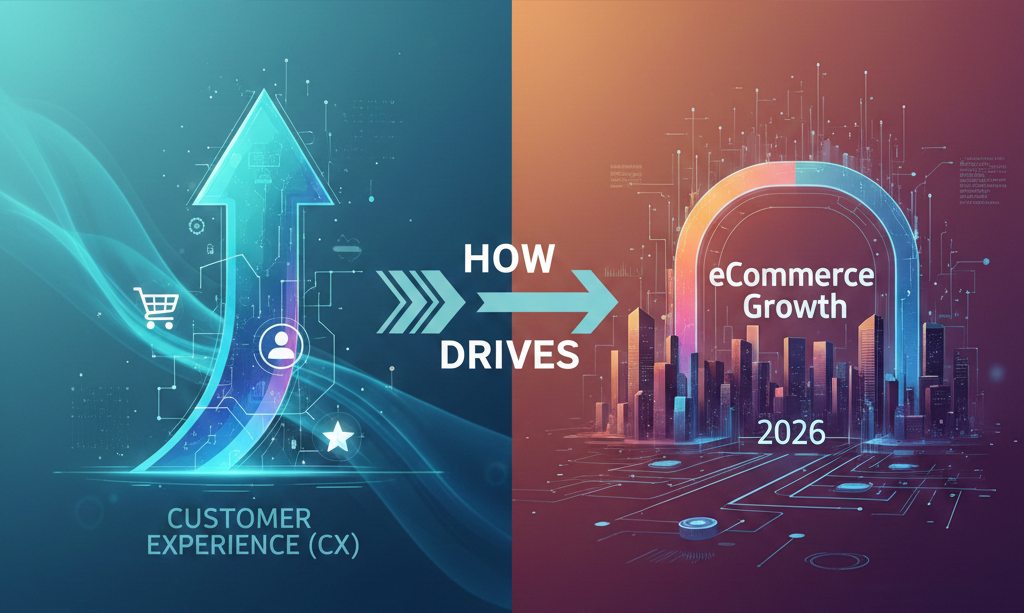
In today’s hyper-competitive digital market, Customer Experience (CX) is no longer optional—it’s your biggest competitive advantage. While pricing and products matter, brands that win are the ones delivering seamless, personalized, and memorable shopping journeys.
Companies like Amazon and Shopify have proven that superior CX directly impacts customer loyalty, repeat purchases, and long-term profitability.
In this guide, we’ll explore why CX matters in E-commerce and how you can optimize it for measurable growth.
What Is CX in E-commerce?
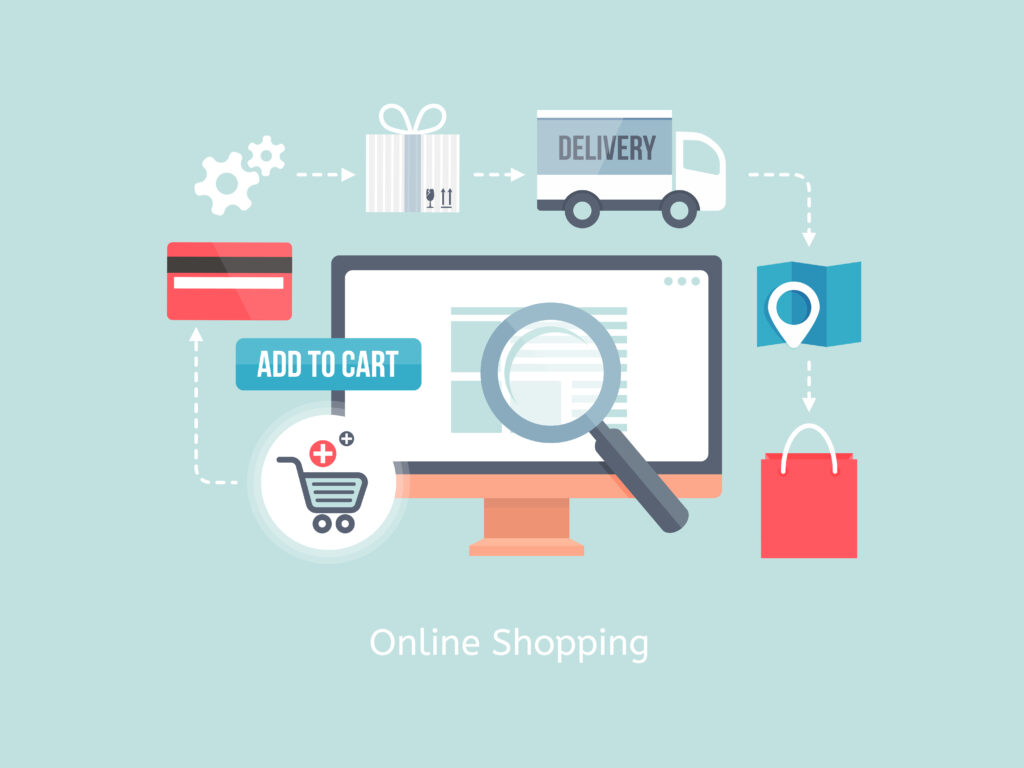
Customer Experience (CX) in E-commerce refers to every interaction a customer has with your brand online, including:
- Website browsing
- Product search and filtering
- Checkout process
- Payment experience
- Delivery and tracking
- Customer support
- Post-purchase engagement
From first click to repeat purchase, every touchpoint influences whether customers return—or leave for competitors.

Why CX Matters for E-commerce SEO
Search engines increasingly reward websites that provide excellent user experiences. Platforms like Google evaluate:
- Page speed
- Mobile responsiveness
- Core Web Vitals
- Bounce rate
- Engagement time
A well-optimized CX improves these signals, leading to:
✔ Higher search rankings
✔ Increased organic traffic
✔ Better conversion rates
✔ Reduced cart abandonment
In short, better CX = better SEO performance.
Key CX Strategies to Boost E-commerce Sales
1. Optimize Website Speed and Performance
Slow websites lose customers fast. Studies show that even a 1-second delay can significantly reduce conversions.
Best Practices:
- Use fast hosting
- Optimize images
- Implement caching
- Reduce unnecessary scripts
2. Personalize the Shopping Experience
Personalization increases average order value and loyalty. Brands like Netflix and Amazon use AI-powered recommendations to suggest relevant products based on browsing behavior.
How to Implement:
- Dynamic product recommendations
- Personalized email campaigns
- Location-based offers
- AI chatbots
3. Simplify Checkout to Reduce Cart Abandonment
A complicated checkout process is a conversion killer.
Optimize by:
- Offering guest checkout
- Minimizing form fields
- Providing multiple payment options
- Displaying trust badges
Seamless checkout improves both user satisfaction and SEO metrics
4. Mobile-First CX Strategy
With most E-commerce traffic coming from mobile devices, your site must be:
- Fully responsive
- Fast loading on mobile networks
- Easy to navigate with thumb-friendly design
Search engines prioritize mobile usability, making this essential for ranking.
5. Omnichannel Customer Support
Customers expect quick support across channels:
- Live chat
- Social media
- WhatsApp integration
Fast response times increase trust and customer retention.
Measuring CX Success in E-commerce
Track these KPIs to measure your CX performance:
- Customer Satisfaction Score (CSAT)
- Net Promoter Score (NPS)
- Customer Lifetime Value (CLV)
- Cart abandonment rate
- Repeat purchase rate
- Bounce rate
Tools like Google Analytics and customer feedback platforms can help monitor performance and uncover improvement areas.
The Future of E-commerce CX
Emerging technologies shaping CX include:
- AI-powered chatbots
- Augmented reality (AR) shopping
- Voice search optimization
- Predictive personalization
Brands that invest in these technologies today will dominate tomorrow’s digital marketplace.

Final Thoughts
Customer Experience is no longer just about customer service—it’s about delivering value at every touchpoint.
If you want higher rankings, better engagement, and stronger brand loyalty, start by optimizing your CX strategy today.
Remember: Great products attract customers. Exceptional CX keeps them