
In today’s competitive market, Customer Experience (CX) is no longer a “nice-to-have” — it’s a primary driver of revenue growth. Companies that invest strategically in CX consistently outperform competitors in retention, upselling, and brand loyalty.
But one challenge remains: How do you clearly tie customer experience to revenue growth?
This guide breaks down how to measure the ROI of Customer Experience, which CX metrics impact revenue, and how leading brands turn customer satisfaction into measurable financial gains.
What Is Customer Experience (CX)?
Customer Experience (CX) refers to every interaction a customer has with your brand — from website visits and sales conversations to onboarding, support, and post-purchase engagement.
According to research by PwC, customers are willing to pay more for a great experience. Meanwhile, Forrester reports that customer-obsessed companies grow revenue faster than competitors.
The takeaway? CX directly impacts your bottom line.
Why Customer Experience Impacts Revenue
Customer experience affects revenue through five primary drivers:
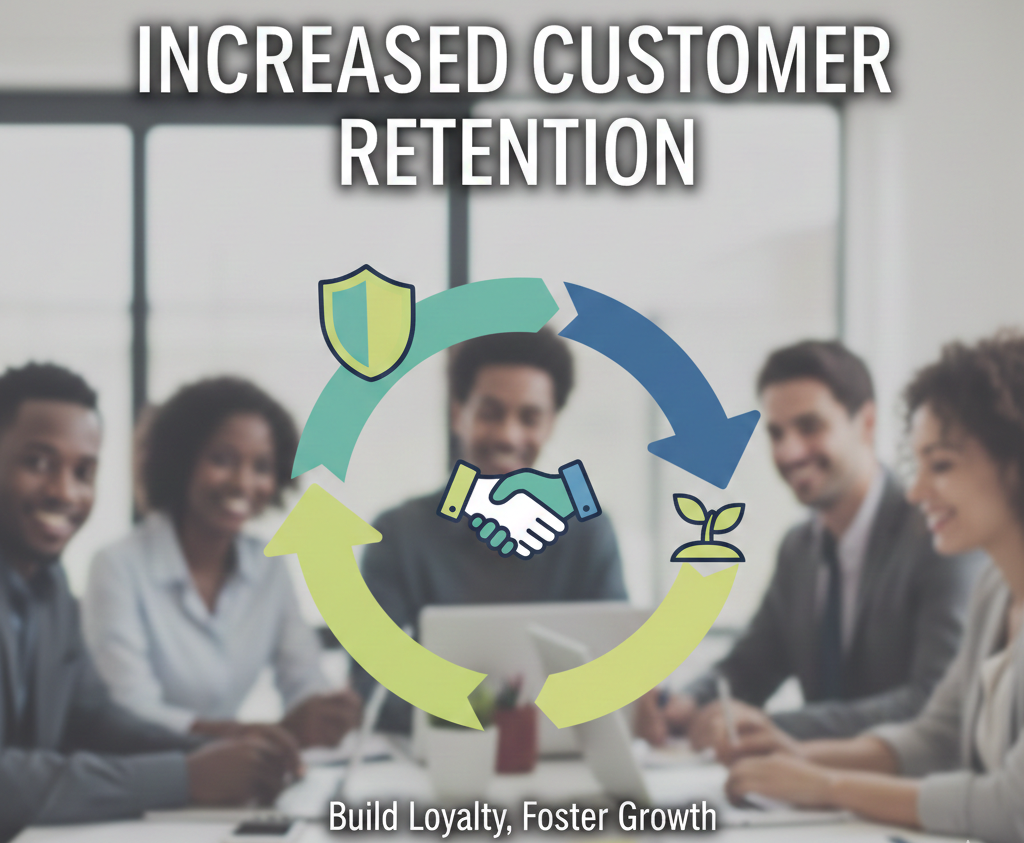
1. Increased Customer Retention
Retaining customers is significantly cheaper than acquiring new ones. Improving CX reduces churn and increases Customer Lifetime Value (CLV).
Even a 5% increase in retention can significantly increase profits.
2. Higher Customer Lifetime Value (CLV)
Customers who enjoy seamless experiences buy more often and remain loyal longer — increasing average revenue per user (ARPU).
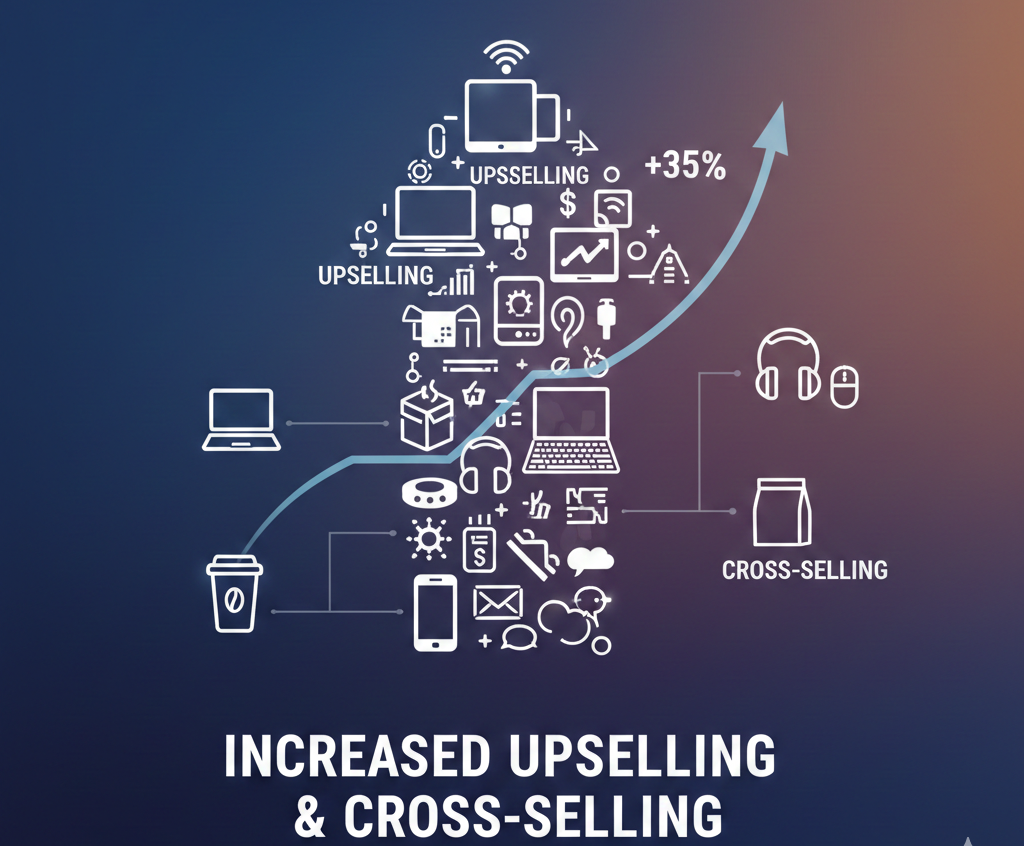
3. Increased Upselling and Cross-Selling
When customers trust your brand, they’re more receptive to upgrades and additional products.
Example: Amazon uses personalized recommendations to increase average order value through experience-driven selling.
4. Positive Word-of-Mouth & Referrals
Satisfied customers become brand advocates, reducing customer acquisition cost (CAC).
Example: Apple builds customer loyalty through seamless ecosystem experiences that drive repeat purchases.
5. Premium Pricing Power
Companies with exceptional CX can charge more.
Luxury brands like Tesla leverage experience innovation to justify premium pricing.
How to Measure the ROI of Customer Experience
To tie CX directly to revenue growth, you must connect experience metrics to financial outcomes.
Step 1: Track Key CX Metrics
Common CX KPIs include:
- Net Promoter Score (NPS)
- Customer Satisfaction Score (CSAT)
- Customer Effort Score (CES)
- Customer Retention Rate
- Churn Rate
- Customer Lifetime Value (CLV)
These metrics indicate how customers feel — but you need to connect them to revenue.
Step 2: Link CX Metrics to Financial Metrics
Step 3: Calculate Customer Lifetime Value (CLV)
Step 4: Compare CX Investment to Revenue Gains
Include:
- Technology investments (CRM, automation)
- Training costs
- Customer support improvements
- Personalization tools
Real-World Examples of CX Driving Revenue
1. Personalization at Scale
Netflix improves retention by using AI-driven recommendations — reducing churn and increasing subscriber lifetime value.
2. Seamless Omnichannel Experience
Starbucks integrates mobile ordering, rewards, and in-store experience — driving repeat purchases through convenience.
3. Customer-Centric Culture
Zappos built its brand around exceptional customer service, leading to strong loyalty and organic growth
Strategies to Improve CX and Boost Revenue
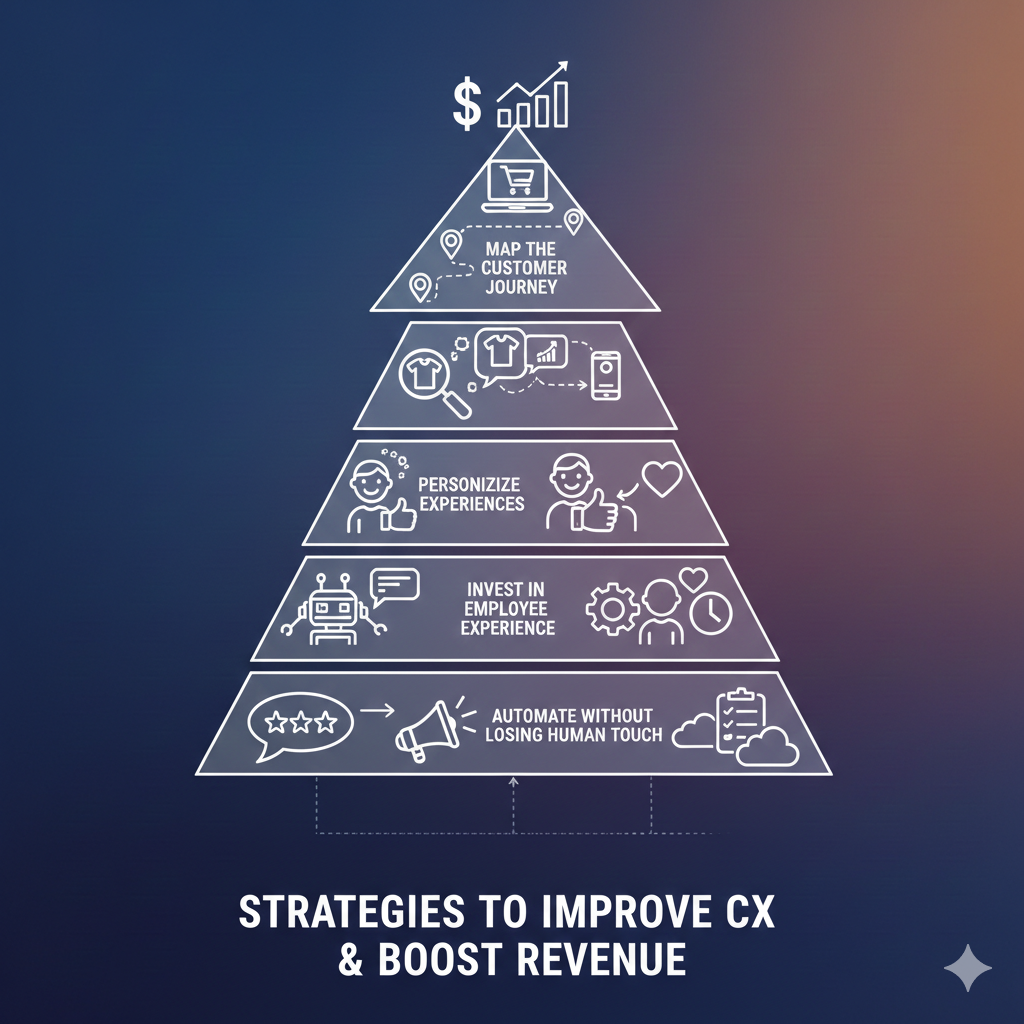
1. Map the Customer Journey
Identify friction points across touchpoints (website, checkout, support).
2. Personalize Experiences
Use behavioral data to tailor recommendations and communication.
3. Invest in Employee Experience
Happy employees deliver better service, which improves customer satisfaction.
4. Automate Without Losing Human Touch
Use AI chatbots and automation wisely to improve speed while maintaining empathy.
5. Close the Feedback Loop
Collect feedback and act on it quickly to show customers their voices matter.
Common Mistakes When Measuring CX ROI
- Focusing only on satisfaction scores
- Ignoring long-term value metrics
- Failing to align CX and finance teams
- Treating CX as a support function instead of a growth strategy
To truly tie CX to revenue, it must be embedded in business strategy.
Final Thoughts: CX Is a Revenue Strategy, Not a Cost Center
Customer Experience is one of the most powerful levers for sustainable growth. When measured correctly, CX initiatives deliver measurable financial returns through retention, loyalty, and increased lifetime value.
The companies winning today understand one simple truth:
Better experiences drive better business outcomes.
If you want long-term revenue growth, start by improving how customers experience your brand — and track the financial impact carefully.